



What is the raspberry?
Our understanding of nature is continually being challenged by technological developments. For example, the familiar taste of raspberries may not only come from a ripe fruit, but can also be produced as an aroma with the help of E. coli bacteria. But what image comes to mind when we taste a raspberry? Is the raspberry a plant, a process, a fruit, or a flavour?
To explore this question together with visitors, we placed the raspberry at the centre of an exhibition stand for the NABU participatory days in Mannheim in 2020. The project was also shown in the exhibition Natur Futur at the Museum für Naturkunde Berlin.
To explore this question together with visitors, we placed the raspberry at the centre of an exhibition stand for the NABU participatory days in Mannheim in 2020. The project was also shown in the exhibition Natur Futur at the Museum für Naturkunde Berlin.
more...
Background
The production of raw materials is expected to meet a wide range of demands. This is particularly true for food production, where constant availability and low prices are required alongside ecological and sustainable production methods that take limited arable land and resources into account. Aroma and flavour compounds are especially relevant in this context.
Beyond physical methods of flavour production such as heating, distillation, or extraction, as well as chemical synthesis, aromas can also be produced through fermentation. For example, the molecule responsible for the characteristic raspberry flavour, raspberry ketone, can be produced with the help of E. coli bacteria. To achieve this, DNA sequences from raspberry plants are inserted into the bacteria, enabling them to produce the desired compound.
According to the European Flavouring Regulation, the resulting aroma substance is classified as natural, as it is produced through a biological process and is chemically identical to the compound found in raspberries. According to manufacturers, one gram of this substance is so pure and intense that it can replace the aroma of approximately 111 tonnes of raspberries. This could save around 20 hectares of agricultural land and the associated resources required for cultivation, such as chemical plant protection, harvesting efforts, and water.
The production of raw materials is expected to meet a wide range of demands. This is particularly true for food production, where constant availability and low prices are required alongside ecological and sustainable production methods that take limited arable land and resources into account. Aroma and flavour compounds are especially relevant in this context.
Beyond physical methods of flavour production such as heating, distillation, or extraction, as well as chemical synthesis, aromas can also be produced through fermentation. For example, the molecule responsible for the characteristic raspberry flavour, raspberry ketone, can be produced with the help of E. coli bacteria. To achieve this, DNA sequences from raspberry plants are inserted into the bacteria, enabling them to produce the desired compound.
According to the European Flavouring Regulation, the resulting aroma substance is classified as natural, as it is produced through a biological process and is chemically identical to the compound found in raspberries. According to manufacturers, one gram of this substance is so pure and intense that it can replace the aroma of approximately 111 tonnes of raspberries. This could save around 20 hectares of agricultural land and the associated resources required for cultivation, such as chemical plant protection, harvesting efforts, and water.
...less
Commissioners:
NABU Naturschutzbund Deutschland, Museum für Naturkunde Nerlin
Places:
Mannheim, Berlin
Years:
2020-2021
Collaborator:
Jannis Hülsen
Tasks:
Art direction, conception
Topics:
Bioeconomy, biotechnology, science communication, social transformation
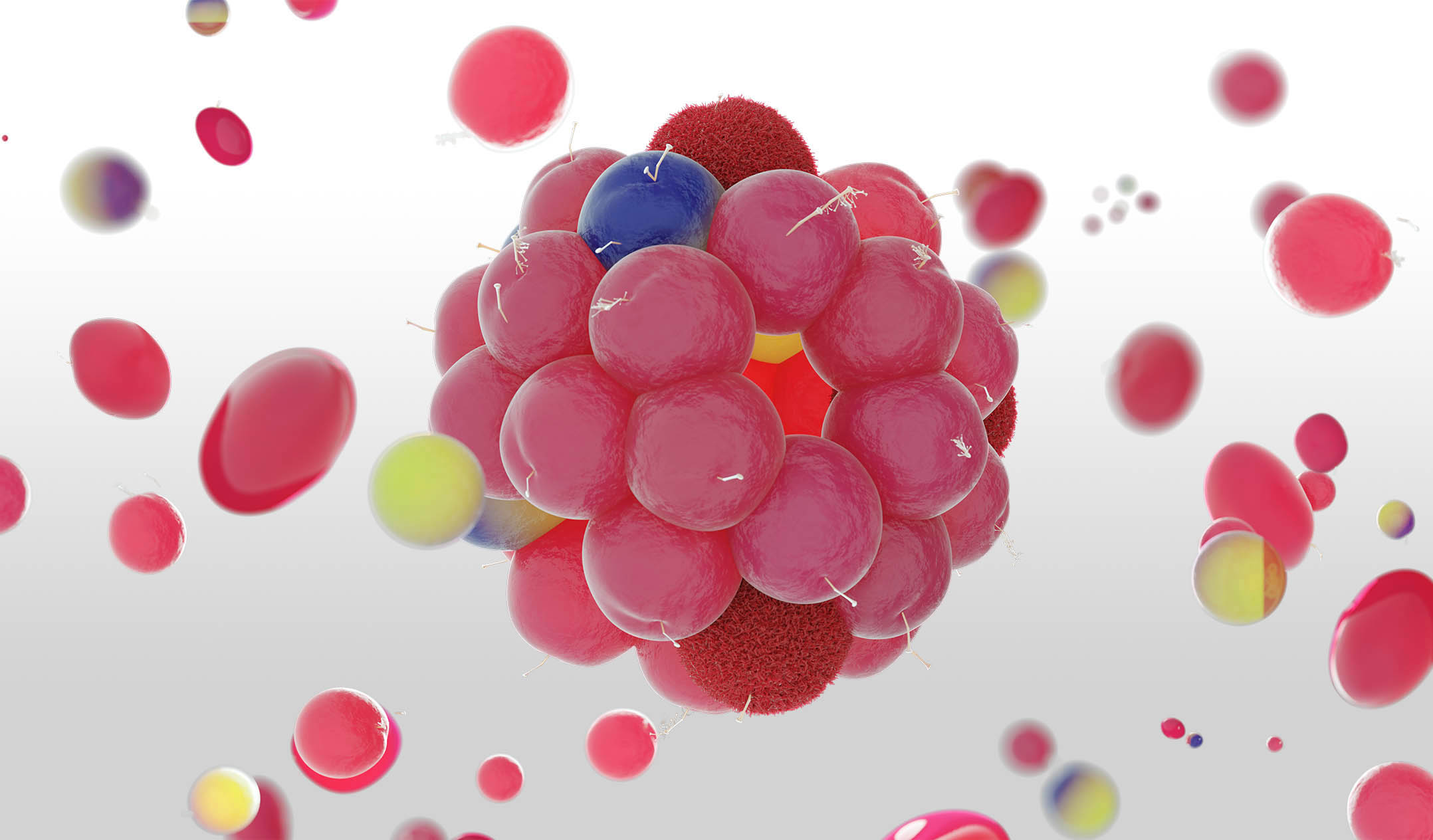
What is a raspberry?
Rendering: Jearume Gautier
Rendering: Jearume Gautier
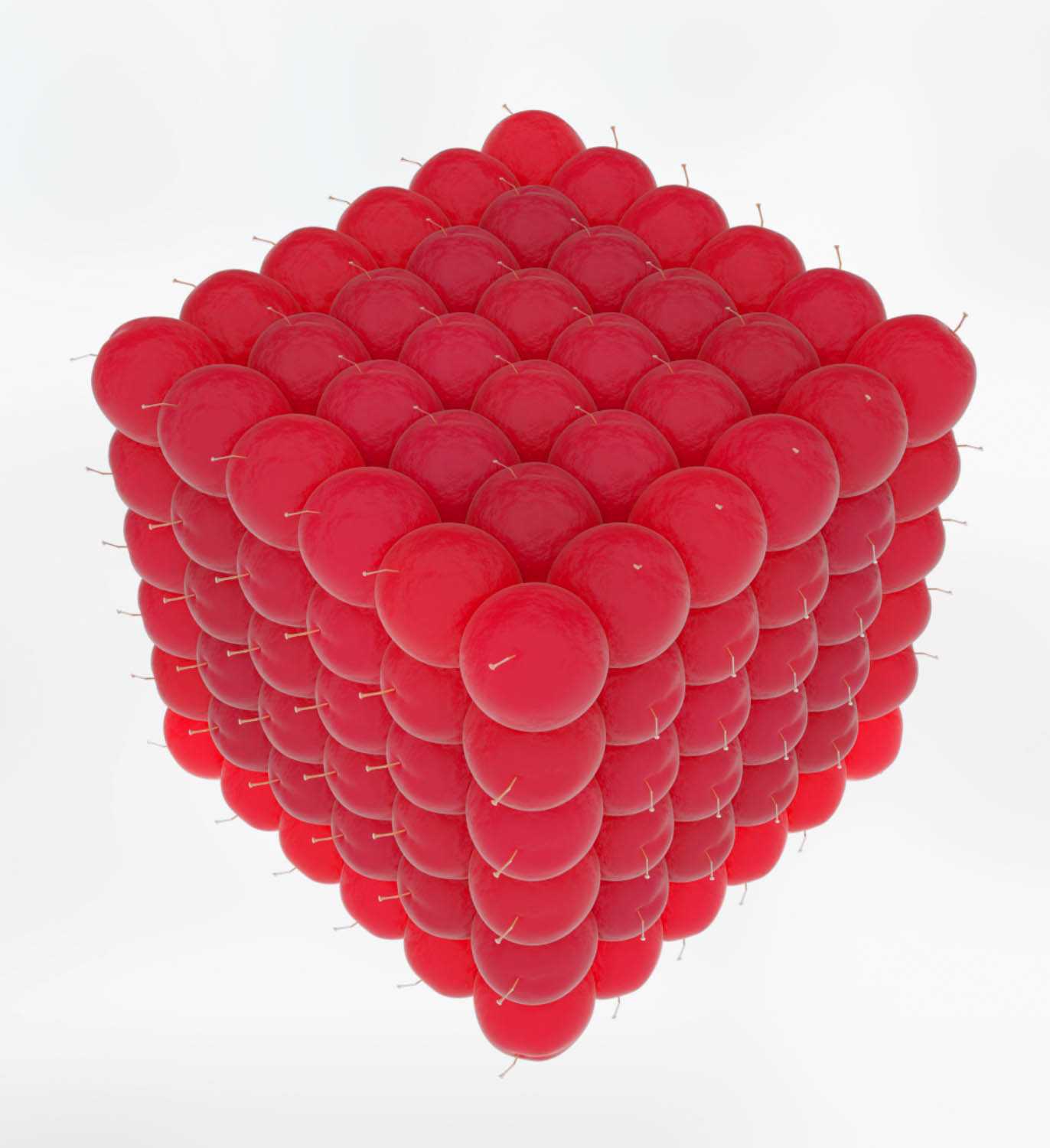
Raspberry-01, Rendering: Jeraume Gautier
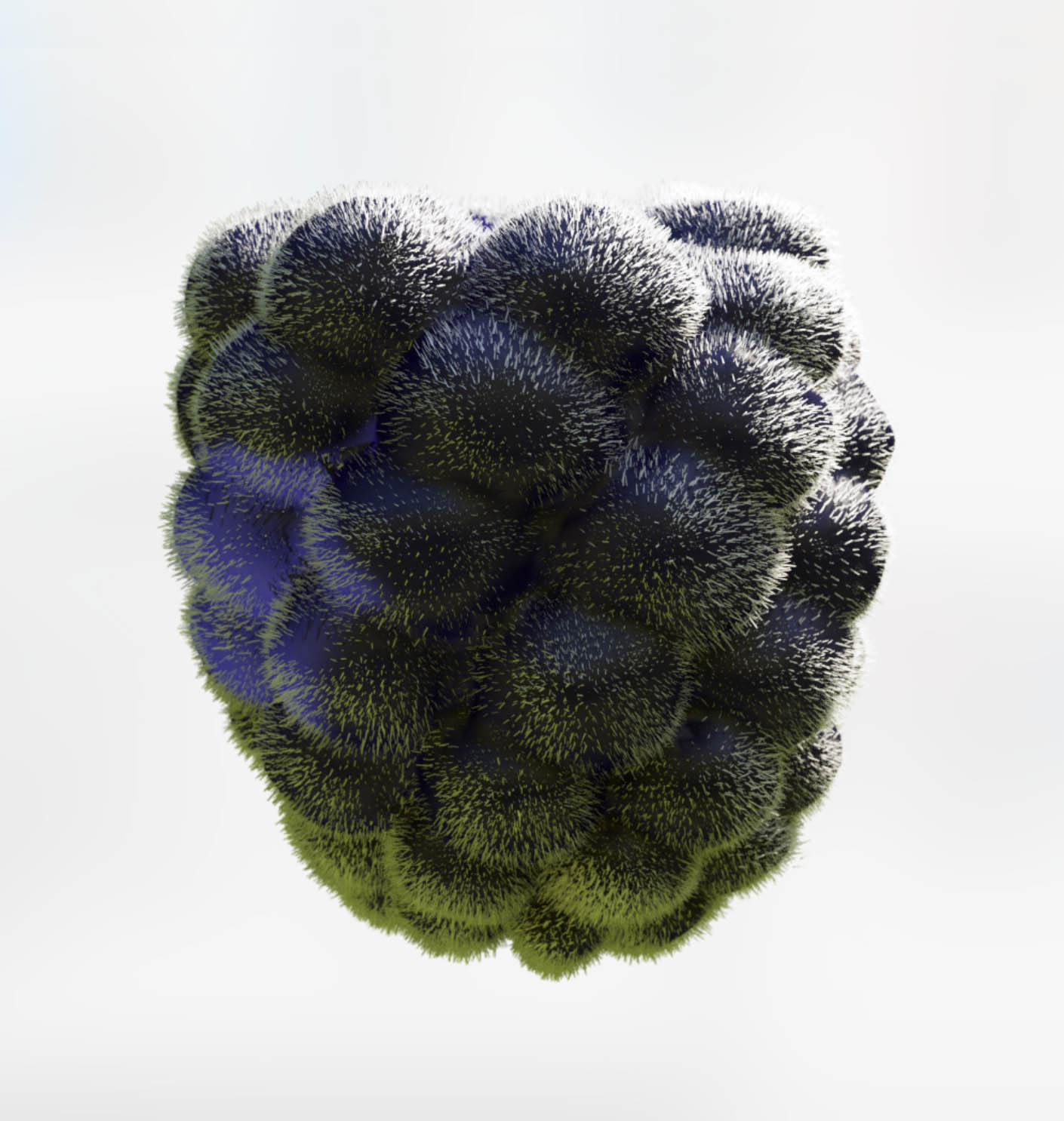
Raspberry-02, Rendering: Jeraume Gautier
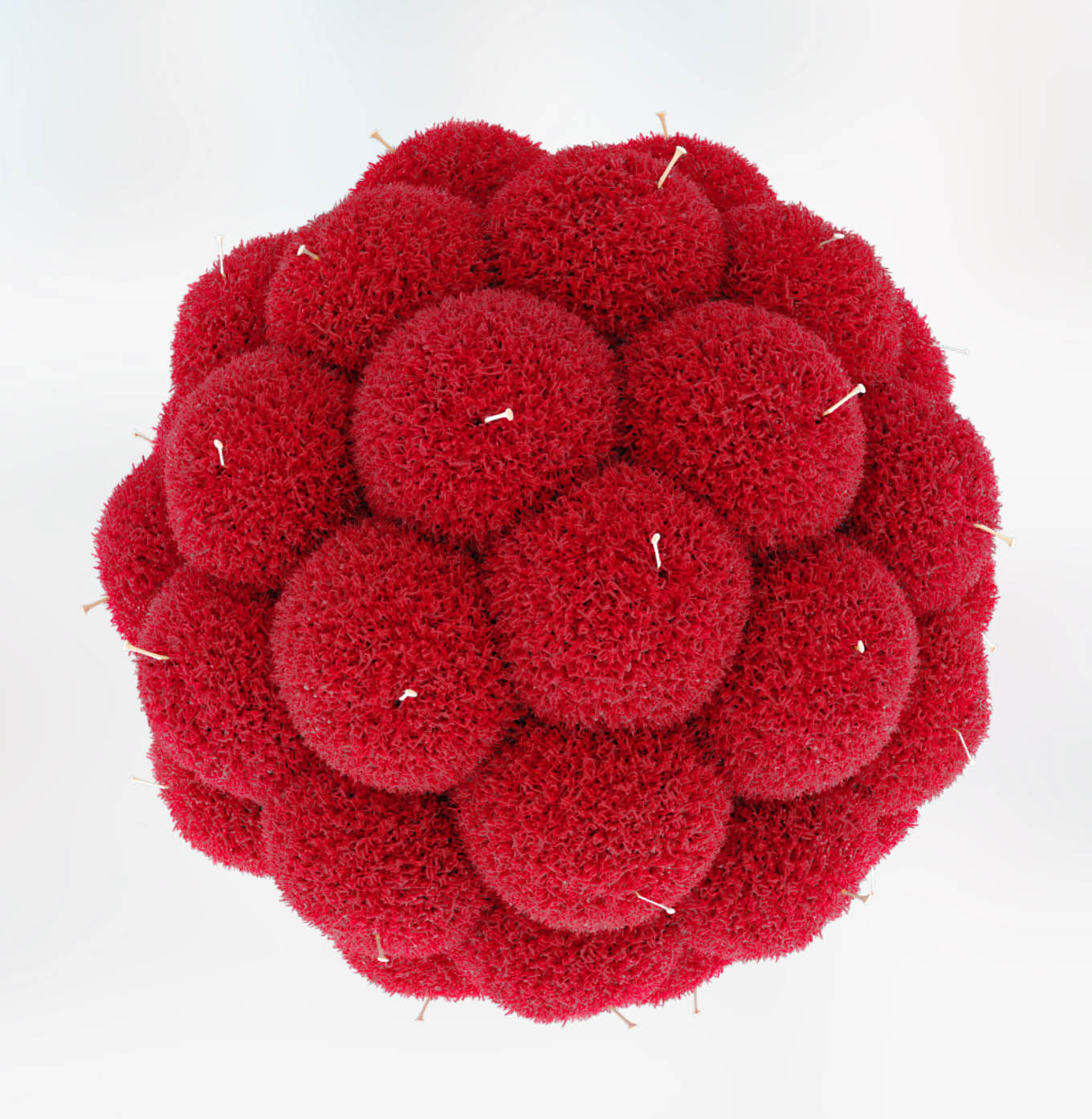
Raspberry-03, Rendering: Jeraume Gautier
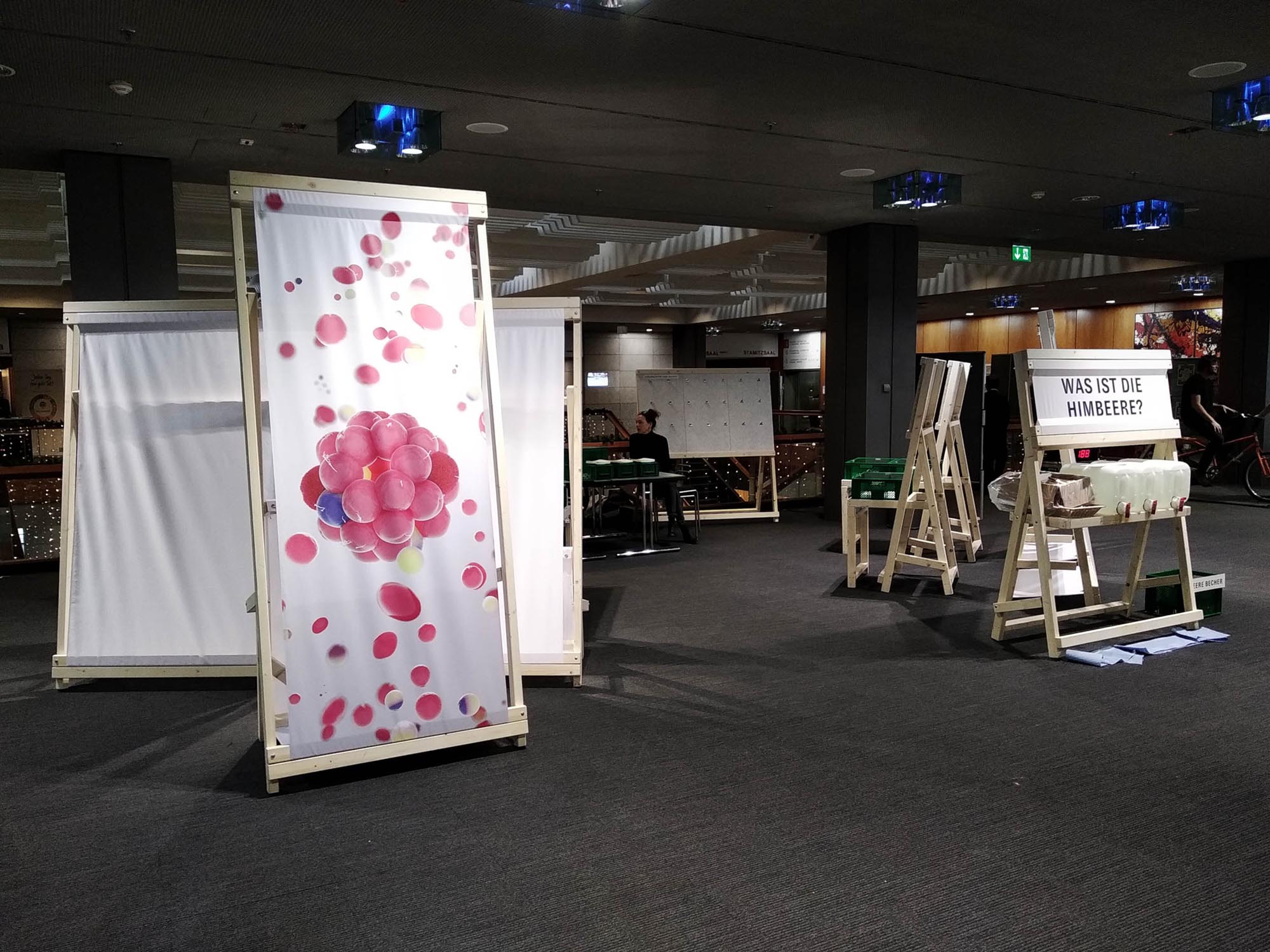
Exhibition stand for the NABU participatory days, Mannheim, 2020
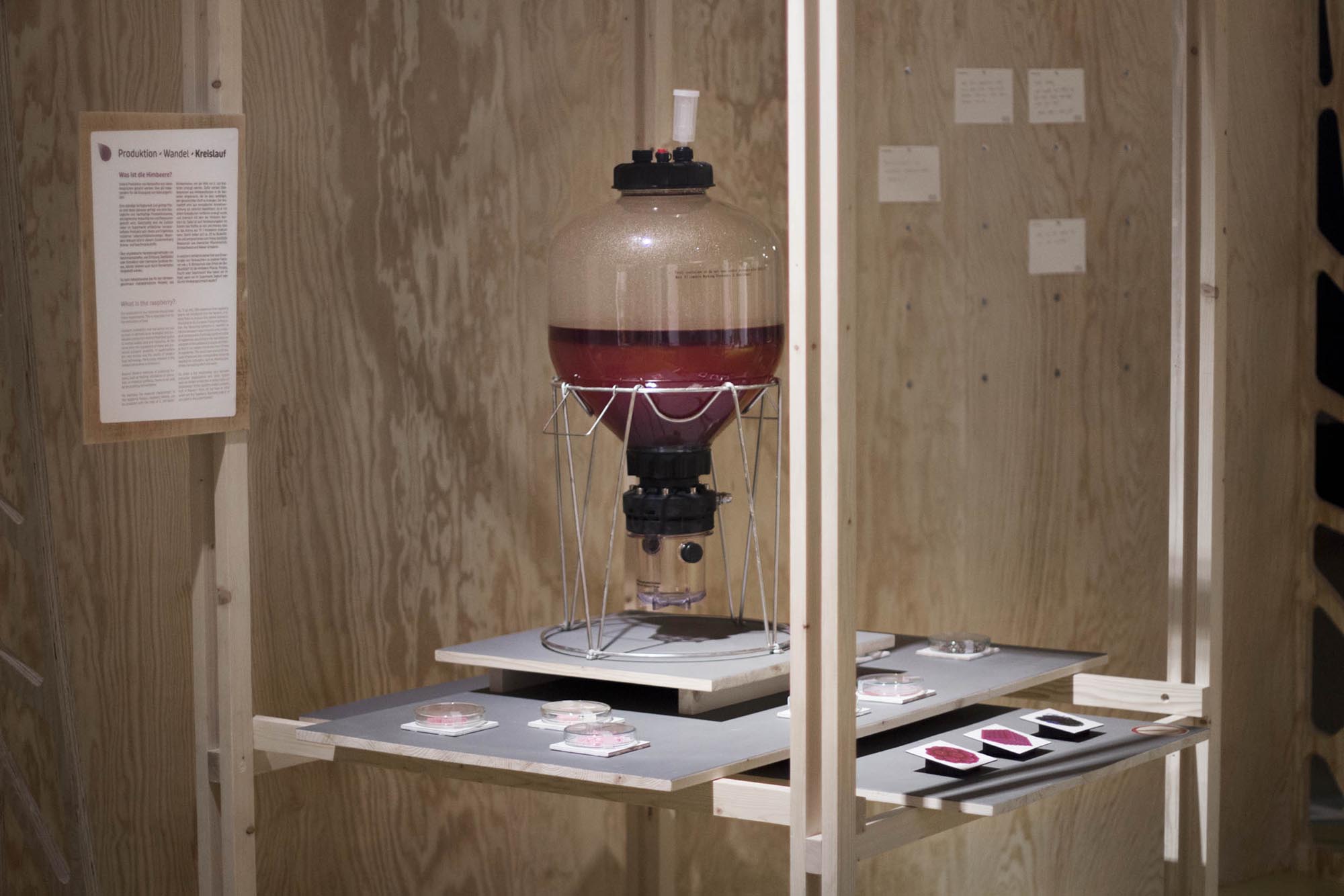
Installation at NATUR FUTUR, Museum für Naturkunde Berlin, 2021